The mid century period has been revolutionary not only in the design field. During the mid century, in fact, architects introduced radical changes in the way of designing and leaving the interiors.
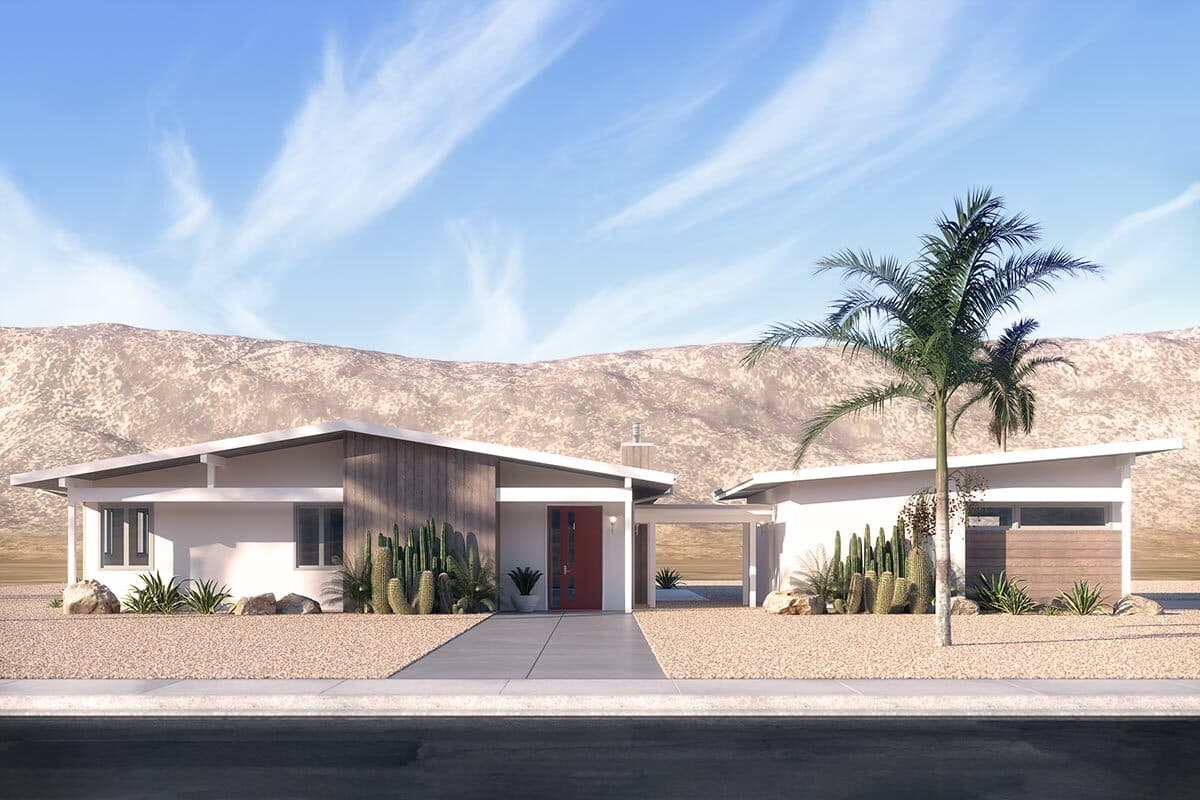
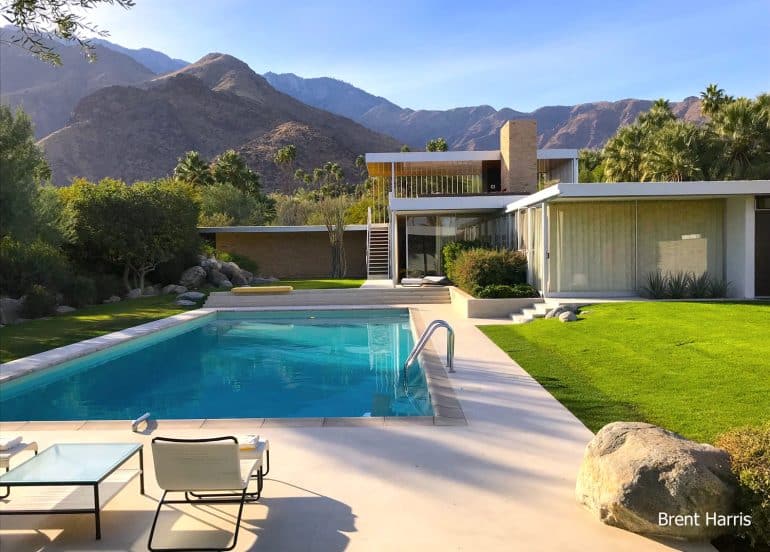
(the Case Study House #9)
Probably the most important of those innovations was the Open Floor Plan.
As I wrote in A Little Known, But Amazing, Eameses’ Object, the screen was an example of how inhabitants of mid century homes used inner spaces in a completely different way, and as the designers also the architects got this need for a change coming from people.
The Mid Century Open Floor Plan: the Historic Context.
(the Case Study House #9)
After the World War II people started to think -and desire- for a better and brighter future. Optimism was the key to the mid century economic boom.
The hope for a better future was clear to the architects and designers too, who translated it in new dwellings characterized by the harmony of the inner spaces with the surrounding landscape and by large flexible rooms were family members could spend time together.
The Origins of The Open Floor Plan.
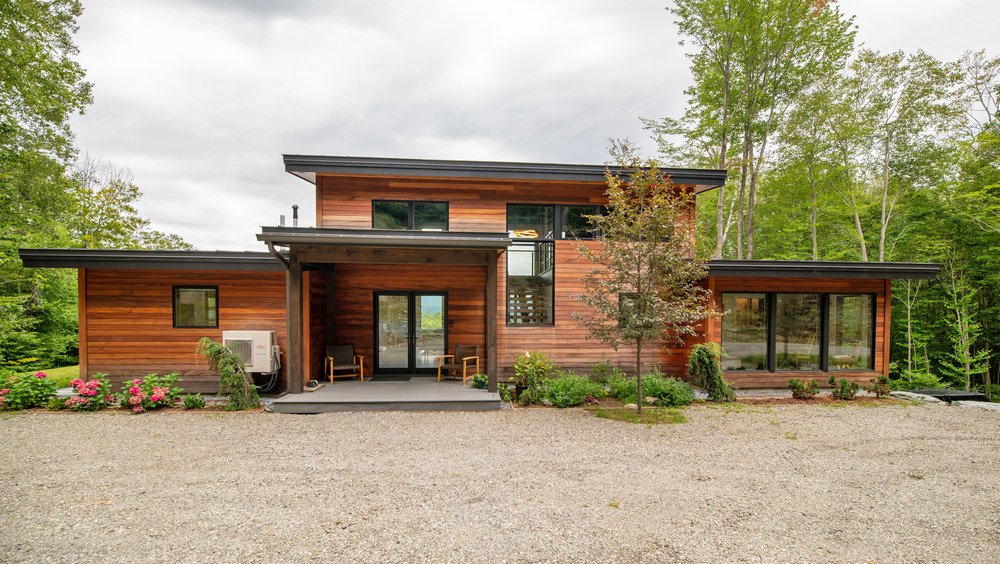
(the Case Study House #20)
The interior decor keywords for the mid century American home were dialogue -among the flooring, furniture, lightning and the architecture itself- uncluttered spaces, clean lines, natural materials, warm colours and the ‘open floor plan’.
As I mentioned earlier -from the mid century on- the idea of reserving rooms for special occasions disappeared, replaced by the concept of a large space designed for daily uses: the so called ‘open floor plan’.
This new concept of home become the key to the mid century interior.
The Open Floor Plan joined the entire family in the same room, yet created spaces for individuals in the zones for different activities designed within it.
(the Case Study House #20)
This new home living philosophy, which soon became synonymous of American mid century living, had its origins in North European countries like Denmark, Finland and Sweden, where architects and designers -like Alvar Aalto- had already introduced the open plan concept for decades: you can see a great example of this in the Alvar Aalto: The Villa Mairea.
Large rooms now held different uses that were previously reserved to specific rooms. But, even if rooms were designed to be large common spaces, some architects introduced flexible modules in the architecture, fulfilling -when necessary- the need for privacy and quiet.
An interesting example is the Italian architect Gio Ponti’s own house in Milan, completed in 1957.
Ponti divided the apartment with retractable accordion-like screens but used a dynamic tile flooring and at the same ceiling decor throughout to provide a visual link between the separate spaces.
This way, Ponti was able to link the new concept of ‘open floor plan’ living with the more traditional separation of living spaces found in 50s Italian dwellings.
When not included in the architecture of the house itself, other solutions helped home owners to have some privacy if needed.
With this goal in mind, then, Charles and Ray Eames re-designed the 1930s Alvar Aalto’s Screen 100 once they realized -experimenting with the material- how some U-shaped pieces of moulded plywood were.
The main issue of the Screen 100, in fact, wasthe lack of stability that Charles and Ray Eames fixed enlarging the strips to 22.5cm linking them with full-lenght canvas hinges running through all the screen. The particular design of the Eames Screen for Herman Miller made it foldable, easy to ship, carry and save.
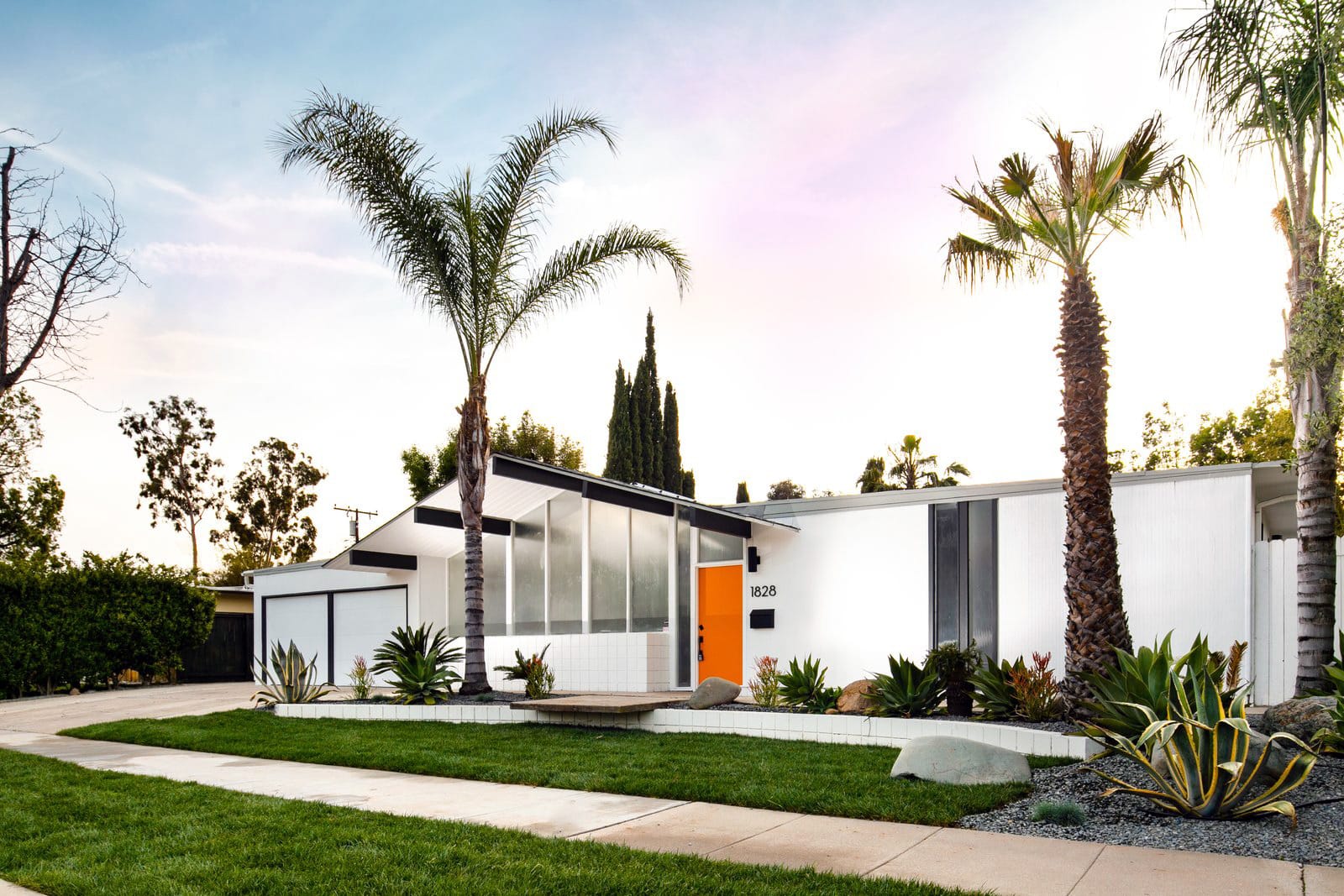
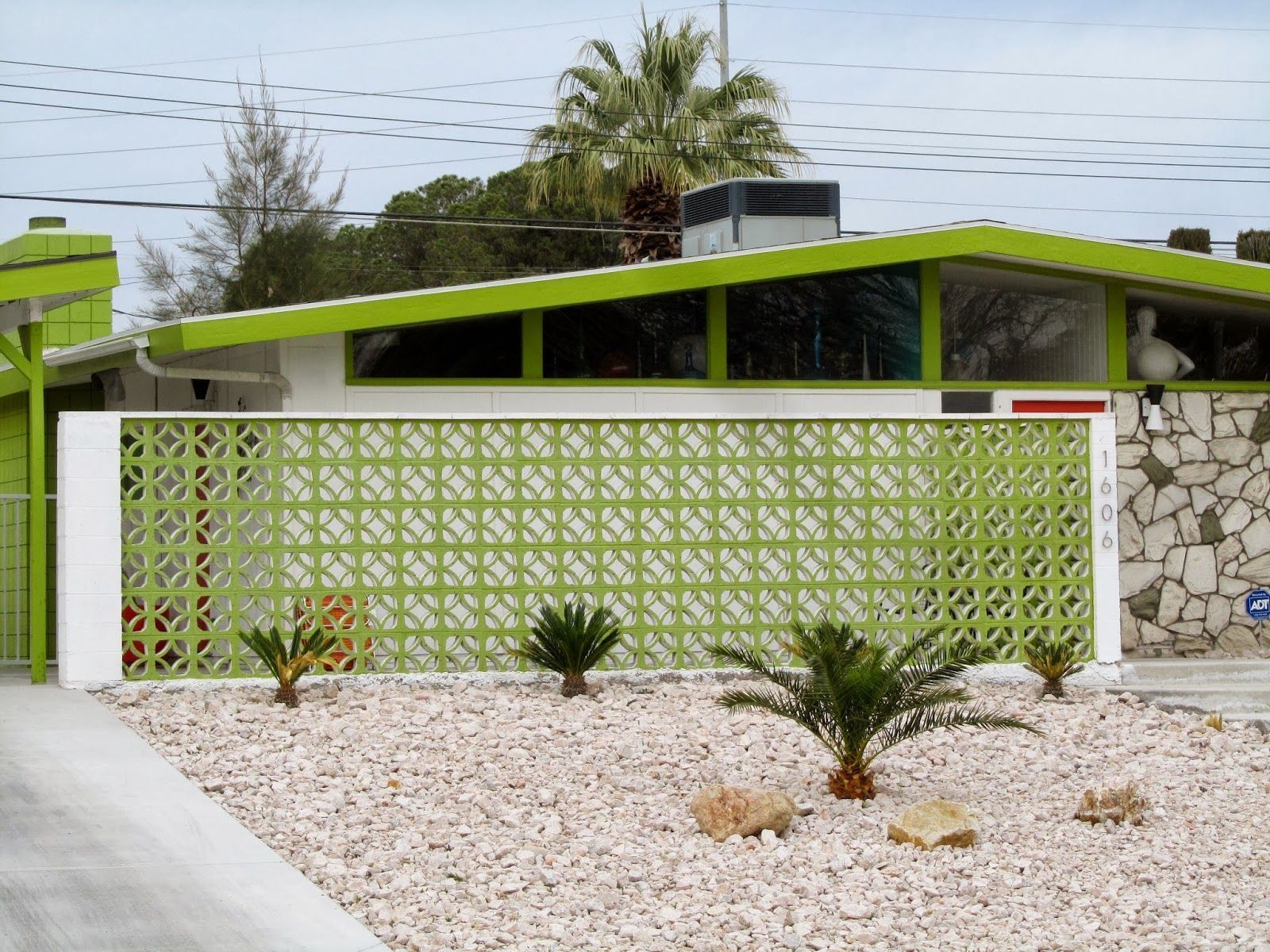
(Eichler Houses)
Although the screen was designed to be mass-produced, the manufacturing process involved a lot of hand work -especially to insert the canvas hinges- increasing the production costs; that is why it has been discontinued in 1955 to be reintroduced few years ago thanks to new processes and material that made its production economical again.
That’s why I love design in general and the mid century design in particular, because it’s tightly related to the society and its changes.
Starting from a common object you can find out about the people needs as how much and why they changed during the last decades.
Does your house have an open floor plan as well? Let me know in the comments.
IF YOU LIKED THE POST, I WOULD APPRECIATE YOU TO SHOW YOUR LOVE WITH A FACEBOOK ‘Like’ BELOW!

Thanks to the Mid-Century Modern designers for showing us the way to design freedom. The best floorplans are open. Regardless of the size, the space feels larger and more inviting. The canvas for interiors causes you to make clean lines in furniture selection. To spice it up, you can exaggerate the dimensions of minimal accessories, and wall art. Much gratitude to Ponti, Wright, Schindler, Neutra, and the Eames for keeping us inspired.
Stay tuned into The Light.
Illuminatingly,
Voncelle Volté
voncellevolte.blogspot.com
I think I could not write it in a better way
I perfectly agree with you. Those great architects and designers you mentioned built the foundations of the contemporary living…design IS life.
Thanks for sharing your thoughts!
Ciao.
wonderfully written, Marco!
Thank you!
From an expert point of view…do you think that contemporary architects still follow the ‘open floor plan’ idea?
Thanks for stopping by.
Ciao!